-
English


Short answer: Yes—but only in the right scenarios. LED displays can outperform green screens in realism and workflow efficiency, but they also introduce cost and physical limitations.
Green screens rely on chroma keying, which often creates:
LED screens display the background directly, so you eliminate keying artifacts entirely.
LED walls emit actual scene lighting:
This produces physically consistent lighting, reducing post-production work.
Actors and presenters can see the environment in real time, instead of imagining it against a green backdrop.
Result: more natural eye lines, movement, and interaction.
LED workflows support:
You can shoot and output content immediately—no compositing required.
A green screen setup (fabric + lighting) is significantly cheaper than:
Green screens allow:
LED walls are physically constrained by size.
Objects like:
…will reflect the LED screen content directly, which can break realism instead of enhancing it.
| Scenario | LED Screen | Green Screen |
|---|---|---|
| Keying quality | Near-perfect (no keying needed) | Prone to spill, difficult edges |
| Lighting realism | High (natural light interaction) | Low (requires careful post work) |
| Cost | High | Low |
| Shooting distance | Best at medium/far range | Flexible |
| Live production | Excellent | Limited |
| Large VFX scenes | Limited by physical size | Virtually unlimited |
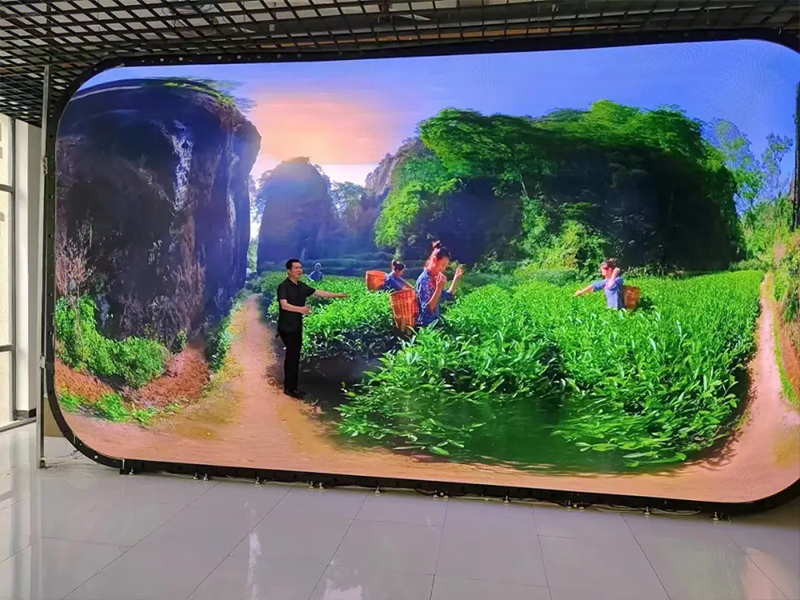
LED displays are the better choice when you need:
Stick with green screen if you need:
LED screens don’t universally replace green screens—they shift the trade-off:
In practice, many professional productions combine both approaches to balance visual fidelity and creative freedom.
+86 18688923792
+86-755-23312336
4th Floor, Building B, Zhonghe Building, Taiwan Industrial Zone, 2132 Songbai Road, Shiyan Street, Bao'an District, Shenzhen.


Emall us with any questions or inquiries or use our contact data.We would be happy to answer your questions.
Copyright © 2010-2026 Toosen LED All Rights Reserved
Theme by WordPress