-
English


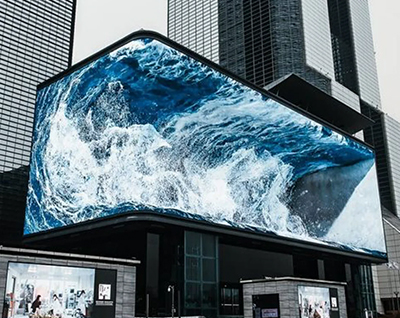
Designing an outdoor curved LED display and its supporting steel structure is a complex engineering task. Engineers must evaluate multiple factors, including structural mechanics, environmental loads, curvature accuracy, and long-term operational reliability.
Compared with indoor installations, outdoor curved LED displays typically feature larger dimensions and stricter safety requirements. These systems operate continuously in open environments, which means they must withstand long-term exposure to wind, rain, temperature changes, and other environmental stresses.
For this reason, a successful design requires careful coordination between display technology, structural engineering, and environmental analysis.
Fixed curved LED screens installed outdoors usually serve long-term advertising or architectural display purposes. Because of their permanent installation, they demand stronger structural support and higher safety standards.
Engineers must ensure that the steel structure can:
In most cases, designers integrate the steel structure directly with the building or install a standalone support framework designed specifically for the curved display.
In contrast, rental curved LED panels focus on mobility and rapid installation rather than permanent structural integration.
These displays frequently appear at events such as:
Because these events require quick setup and dismantling, rental LED systems use specialized structural designs.
Rental curved LED displays typically include the following characteristics:
Unlike fixed outdoor LED displays, rental systems usually do not rely on permanent steel structures. Instead, installers use truss systems, ground stacking frames, or hanging bars to support the screen.
Technicians then adjust the locking angles between cabinets to create the desired curvature.
This modular approach allows production teams to build curved LED walls quickly while maintaining structural stability during live events.
Before engineers begin designing the structural system, they must first define several fundamental parameters. These data points guide both the display configuration and the structural calculations.
The first step involves identifying the key specifications of the LED display itself.
Important parameters include:
These specifications directly influence both the LED module selection and the design of the supporting steel framework.
Next, engineers must decide how the display will attach to the building or supporting structure.
Common installation methods include:
Each method requires a different structural design approach.
Environmental conditions play a critical role in outdoor LED display design. Engineers must evaluate several environmental factors before finalizing the structural plan.
Key environmental considerations include:
These factors determine the strength requirements of the steel structure and help engineers ensure long-term structural safety.
Outdoor curved LED display projects require close collaboration between LED manufacturers, structural engineers, and installation teams. When designers integrate these disciplines early in the planning stage, they can optimize both performance and safety.
Manufacturers such as Toosen specialize in custom LED display solutions, including curved LED screens and other special-shaped installations. By combining advanced LED technology with precise structural design, these systems can deliver reliable performance even in demanding outdoor environments.
Designing an outdoor curved LED screen involves far more than selecting a display panel. Engineers must carefully evaluate screen geometry, structural support systems, environmental loads, and installation methods.
Whether the project involves a large fixed outdoor display or a temporary stage installation, proper planning ensures the screen remains stable, safe, and visually impressive throughout its operational lifespan.
+86 18688923792
+86-755-23312336
4th Floor, Building B, Zhonghe Building, Taiwan Industrial Zone, 2132 Songbai Road, Shiyan Street, Bao'an District, Shenzhen.


Emall us with any questions or inquiries or use our contact data.We would be happy to answer your questions.
Copyright © 2010-2026 Toosen LED All Rights Reserved
Theme by WordPress