-
English


Floor Tile LED Screens are becoming one of the fastest-growing segments in the LED display industry. As brands look for new ways to attract customers, these immersive LED floors offer a fresh and dynamic way to present content. According to industry research, the global market for LED floor displays is rising quickly, with an annual growth rate of around 28%. By 2030, the market size is expected to exceed 5 billion RMB, and interactive LED floor tiles with AI-powered features will likely take up more than 30% of the market by 2026.
Because of this strong growth, more retailers, entertainment venues, and event organizers are choosing Floor Tile LED Screens to upgrade their spaces and create more memorable customer experiences.
Many people first discovered LED floor screens during the 2008 Beijing Olympic Games. When the countdown ended at the Opening Ceremony, a giant 3,234-square-meter LED floor display unfolded like a massive digital scroll. With a load-bearing capacity of 2 tons per square meter, it supported performers, heavy props, and all kinds of dynamic movements. As dancers moved across the surface, the screen showed flowing ink effects and cultural symbols, leaving a stunning and unforgettable visual impression.
Today’s Floor Tile LED Screens follow the same concept but come with even more advanced technology. There are two main types:
Because these screens turn simple movement into a visual experience, they offer powerful opportunities for brand storytelling and customer engagement.
A Floor Tile LED Display is not just a standard LED panel placed on the floor. It is specially designed for durability, safety, and interactive use. Here are the key differences:
A floor LED tile must support constant walking and sometimes even vehicle traffic. To achieve this, it uses a high-strength structure such as:
The protection level normally reaches IP65 or IP66, offering resistance to water, dust, impact, and pressure. This makes the LED floor screen safe for busy public spaces.
Like floor tiles, each LED floor cabinet comes in standard sizes such as 500×500 mm or 500×1000 mm. They can be easily spliced together to form large immersive ground displays. The modular design also helps with quick setup and maintenance, which is ideal for exhibitions, events, and rental applications.
A modern LED floor display maintains high brightness, high refresh rate, and a wide viewing angle. This ensures smooth playback even under bright indoor lights or overhead spotlights. When people look down, the image remains clear, vivid, and immersive.
One of the biggest advantages of an Interactive LED Floor Tile Screen is its real-time reaction to movement. These screens may use:
Visitors step on the surface, triggering animations like waves, petals, product highlights, or mini-games. This interactive LED floor technology raises engagement levels and encourages people to stay longer in a store or booth.
In contrast, normal LED screens are lightweight, thin, and built mainly for walls. They cannot handle weight, pressure, or motion. Their surface protection is designed for display—not for human traffic.
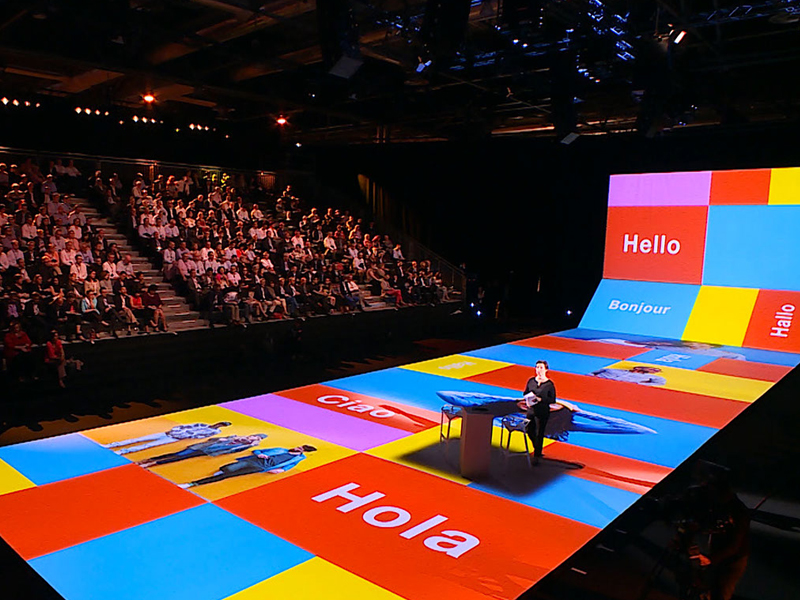
Brands across retail, entertainment, hospitality, museums, exhibitions, and theme parks are turning to LED floor displays because they create strong visual impact and interactive value. Here are the most effective ways these screens boost customer flow:
When installed at store entrances, mall atriums, or event gateways, a Floor Tile LED Screen instantly grabs attention. Dynamic visuals like rolling waves, blooming flowers, or product animations encourage people to stop, take photos, and explore the space. In modern commercial design, becoming a “photo spot” instantly increases exposure and social media sharing.
Interactive LED floor tiles can guide visitors using dynamic directions, footsteps, or product highlights. For example, stepping on a tile may reveal product features, store zones, or brand messages. Adding simple games—like catching virtual fish or stepping on glowing tiles—keeps customers entertained and increases their dwell time. Longer stay often leads to higher conversions.
When combined with wall-mounted LED screens, the LED floor can form a wrap-around digital environment. This floor-to-wall integration is widely used at brand events and exhibition halls to create a futuristic immersive room. It strengthens brand identity and makes product presentations more impactful and memorable.
Since the famous Olympic debut in 2008, Floor Tile LED Screens have evolved from simple graphic displays to advanced AI-driven interactive systems. Their growing popularity shows they are now a key tool for:
Whether used in commercial plazas, retail stores, stage design, exhibitions, or entertainment venues, LED floor displays help brands turn physical spaces into interactive digital attractions.
If you want to upgrade your brand’s visual experience, a customized Floor Tile LED Screen installation can help you stand out. TOOSEN’s team can provide full support—from design and production to installation and after-sales service—ensuring stable performance and long-term reliability.
It is used for immersive entrances, interactive games, stage design, retail promotions, exhibitions, and commercial spaces where brands need strong visual impact.
Yes. Most LED floor tiles are built with reinforced metal cabinets and tempered panels, supporting heavy pedestrian traffic and sometimes vehicles depending on the model.
Sensors detect movement or pressure and trigger real-time visual effects such as ripples, animations, or product highlights.
+86 18688923792
+86-755-23312336
4th Floor, Building B, Zhonghe Building, Taiwan Industrial Zone, 2132 Songbai Road, Shiyan Street, Bao'an District, Shenzhen.


Emall us with any questions or inquiries or use our contact data.We would be happy to answer your questions.
Copyright © 2010-2025 Toosen LED All Rights Reserved
Theme by WordPress