-
English


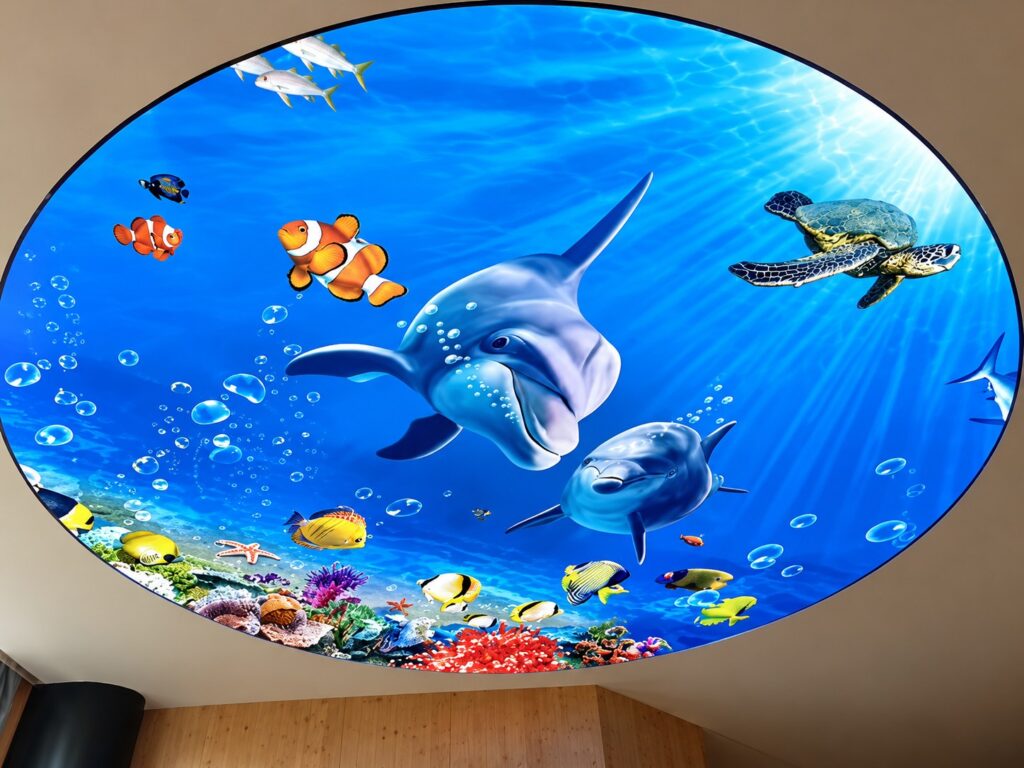
A circular LED display can look clear and bright during factory testing but perform differently after installation. In shopping malls, hotel lobbies, retail stores, and exhibition halls, nearby walls, glass surfaces, and ceiling lights can change how people see the screen.
For example, a circular LED display installed on a light-colored wall may receive reflected light from the surrounding environment. Strong ceiling lights can also create bright spots on the screen surface. As a result, images may look less vivid, dark content may become difficult to recognize, and text may lose contrast.
This is why buyers should evaluate ambient light reflection before purchasing an indoor circular LED display. Screen specifications alone cannot show how well the display will perform in its actual installation environment.
Reflection does not always make the screen completely unreadable. However, it can reduce visual quality in several ways.
First, reflected light can reduce the difference between bright and dark areas. This makes black backgrounds look gray and weakens image contrast.
Second, reflections may affect color appearance. White content can appear too bright, while darker colors may lose detail. This is especially noticeable when displaying product images, logos, and promotional videos.
Third, viewing angle also matters. People rarely look at a circular LED screen from only one fixed position. Visitors may approach from the left, right, or front. Reflected light can affect each viewing position differently.
For commercial projects, these problems may reduce the effectiveness of advertising and make important information harder to read.
There are four common factors buyers should check.
Wall color and material: White walls, polished stone, glossy tiles, and metallic surfaces can reflect nearby light toward the screen. Large reflective surfaces may create uneven brightness around the display.
Ceiling lighting: Spotlights, track lights, and decorative lamps can shine directly onto the screen. Their position and beam direction are important.
Glass and windows: Glass walls and shop windows can introduce reflections from both indoor lighting and outdoor sunlight. The effect may change throughout the day.
Screen installation angle: A screen facing a strong light source may receive more direct reflection. Even a small change in installation position can improve the viewing experience.
Understanding these factors helps buyers identify potential problems before the screen is installed.
The best solution is to evaluate the entire installation environment rather than simply increasing screen brightness.
Start by checking the wall behind and around the display. If the surface is highly reflective, consider a matte finish or a different installation position.
Next, review the ceiling lighting layout. Avoid placing strong spotlights directly in front of the screen. Adjustable lighting can help direct light toward products or display areas instead of the LED surface.
The screen angle should also match the main viewing direction. For wall-mounted circular LED displays, adjustable brackets may help fine-tune the position.
Finally, select an appropriate indoor brightness level. Higher brightness does not always mean better readability. Excessive brightness can cause discomfort in dark indoor spaces, while insufficient brightness may make content difficult to see in brightly lit environments.
Buyers can use the following checks during a factory demonstration or on-site evaluation.
Test 1: Inspect the screen under normal lighting
Turn on the ceiling lights and nearby decorative lighting. Display ordinary promotional content and check whether the image remains clear.
Test 2: Compare bright and dark content
Play white, black, gray, and mixed-color test images. Look for washed-out areas and differences in contrast.
Test 3: Check multiple viewing angles
Observe the circular LED display from the front and both sides. Pay attention to changes in brightness, color, and text readability.
Test 4: Test different brightness settings
Compare several brightness levels under the same lighting conditions. Select a setting that keeps content clear without creating uncomfortable glare.
Test 5: Repeat the test at different times
If possible, evaluate the screen during daytime and evening operation. Natural light from windows can change significantly throughout the day.
Record the lighting conditions, screen brightness, viewing positions, and test results. This makes it easier to compare different suppliers.
Apart from brightness, buyers should pay attention to the LED modules, cabinet structure, surface protection, and control system.
A well-designed circular LED display should maintain consistent module alignment and stable image performance across the entire screen. The supporting structure should also allow suitable installation adjustments.
The control system should support brightness adjustment and stable content playback. For projects with changing ambient light, buyers can discuss whether automatic brightness control is available and whether it can be configured for the installation environment.
For custom-shaped projects, flexible LED modules may also help create smooth circular structures. However, the module design, pixel pitch, maintenance method, and viewing distance should all be considered together.
In shopping malls, circular LED displays are often installed on feature walls or near store entrances. Reflections from glass storefronts and decorative lighting can affect advertising visibility.
In hotel lobbies, the screen may be surrounded by polished stone, glass, and bright decorative lamps. Testing the actual lighting arrangement helps prevent unexpected visual problems.
In exhibition halls and showrooms, lighting conditions may change between events. A suitable brightness range and adjustable installation design can make the display more adaptable.
For these applications, a pre-purchase readability test can reduce installation adjustments and avoid unnecessary project costs.
Q1: Can ambient light reflection be completely eliminated?
Not always. However, suitable screen positioning, lighting adjustments, and surface selection can significantly reduce its impact.
Q2: Should I choose a higher-brightness circular LED display?
Not necessarily. Brightness should match the installation environment. Excessive brightness may cause glare, especially in indoor spaces.
Q3: Does wall color affect LED screen readability?
Yes. Glossy and highly reflective wall surfaces can redirect light toward the screen. Matte finishes are generally easier to manage.
Q4: Should I test the display before purchasing?
Yes. Ask the supplier to demonstrate the screen under lighting conditions similar to your project and check it from several viewing angles.
TOOSLED specializes in LED display manufacturing and customized screen solutions. Our product range includes indoor LED displays, flexible LED screens, spherical LED screens, and other special-shaped LED displays.
We provide project support covering product selection, structural design, manufacturing, and technical assistance. Different pixel pitches, screen dimensions, and installation requirements can be considered according to the application.
For buyers planning a circular LED display project, discussing wall materials, lighting positions, viewing distances, and brightness requirements before production is an important step.
Contact TOOSLED to discuss your project requirements and find a suitable LED display solution.
+86 18688923792
+86-755-23312336
4th Floor, Building B, Zhonghe Building, Taiwan Industrial Zone, 2132 Songbai Road, Shiyan Street, Bao'an District, Shenzhen.


Emall us with any questions or inquiries or use our contact data.We would be happy to answer your questions.
Toosen Professional Manufacturer of led sphere display,led screen globe,led ball display,spheric led screen,spherical led display, Led Special-shaped LED manufacturer, LED factory,Manufacturers & Suppliers,Factory & Exporters. Looking forward to your cooperation.
Copyright © 2010-2026 Toosen LED All Rights Reserved
Theme by WordPress